Slow-Cooker Italian Meatballs: The Ultimate Hands-Off Recipe for Tender, Flavor-Packed Perfection
I still remember the first time I tossed a batch of homemade meatballs into my slow cooker on a hectic Tuesday evening. By dinnertime, the house smelled like my grandmother’s kitchen, and those meatballs came out so juicy and tender I nearly cried. If you’re craving that classic Italian comfort without standing over a stove, slow-cooker Italian meatballs are your answer. This method delivers restaurant-quality results with minimal effort, turning simple ingredients into a meal your family will beg for again and again.
What Exactly Are Slow-Cooker Italian Meatballs?
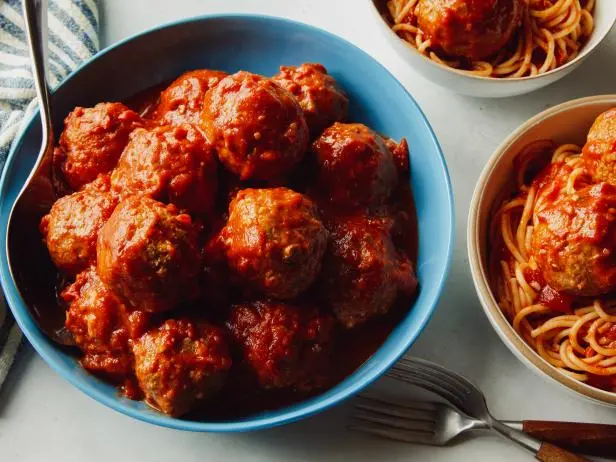
Slow-cooker Italian meatballs combine ground meat, herbs, cheese, and breadcrumbs into hearty spheres that simmer gently in rich tomato sauce for hours. Unlike quick pan-fried versions, the low-and-slow heat breaks down connective tissues and infuses every bite with flavor. You end up with melt-in-your-mouth meatballs perfect for pasta, subs, or as a party appetizer. Whether you call them crockpot meatballs or slow-cooker Italian meatballs, they capture that old-world taste with modern convenience.
The Surprising History of Italian Meatballs
Meatballs have roots that stretch back centuries, but the big, saucy Italian-American style we love today actually emerged from immigrant kitchens in the early 1900s. In Italy, polpette were small, often served without pasta or sauce to stretch precious meat. When families arrived in the United States, affordable beef and tomatoes led to larger meatballs simmered in marinara. That humble adaptation became a beloved classic, and slow cookers now make it easier than ever to recreate at home.
Why the Slow Cooker Changes Everything for Italian Meatballs
The magic happens because gentle, moist heat tenderizes the meat without drying it out. Traditional stovetop simmering requires constant attention, but your crockpot handles the work while you live your life. The sauce thickens naturally as flavors meld, and the meatballs stay incredibly juicy. I’ve tried every method over the years, and nothing beats the set-it-and-forget-it ease of slow-cooker Italian meatballs for weeknights or weekend batch cooking.
Benefits of Slow Cooking Italian Meatballs
You save time and energy while achieving deeper flavor than faster methods allow. The long cook time lets seasonings penetrate fully, and the covered environment prevents the sauce from reducing too quickly. Plus, it’s forgiving—if dinner runs late, these meatballs only get better. Home cooks rave about how tender the results turn out compared to oven-baked versions.
Choosing the Best Ingredients for Authentic Flavor
Start with quality meat and pantry staples you probably already have. Fresh garlic, real Parmesan, and Italian herbs make all the difference between good and unforgettable. I always reach for 80/20 ground beef for juiciness and mix in pork or mild Italian sausage for that signature richness. Don’t skimp here—your slow-cooker Italian meatballs will taste exactly as good as what you put in.
Ground Meat Options That Work Best
A blend of ground beef and pork delivers the classic texture and taste most people expect. You can swap in turkey for a lighter option or use all beef if that’s what’s on hand. Avoid super-lean meat, or your meatballs may turn out dry no matter how long they cook. I once tried 93% lean and learned the hard way—fat is flavor and tenderness in this recipe.
The Role of Breadcrumbs and Cheese
Italian-seasoned breadcrumbs soak up moisture and keep everything light, while grated Parmesan adds salty depth. Some recipes use panko for extra crunch before cooking, but traditional breadcrumbs hold the mixture together beautifully. A handful of fresh parsley brightens the whole batch and cuts through the richness.
The Secret Panade Trick for Ultra-Tender Meatballs
Mix breadcrumbs with a splash of milk (or water) and let it sit for a few minutes before adding the meat. This simple step, called a panade, creates a soft binder that traps juices inside each meatball. I picked it up from an old family friend who swore by it, and it transformed my results overnight. Your slow-cooker Italian meatballs will stay incredibly moist even after hours in the pot.
Step-by-Step Guide to Forming Perfect Meatballs
In a large bowl, combine your meats, eggs, minced garlic and onion, herbs, cheese, and the soaked breadcrumbs. Use your hands to mix gently—just until everything comes together. Overmixing is the enemy of tender meatballs, so stop as soon as it looks uniform. Roll into 1.5-inch balls and place them on a baking sheet. Wet your hands if the mixture sticks; it makes the job quick and mess-free.
Should You Brown Meatballs Before Slow Cooking?
Broiling or searing the meatballs for a few minutes renders excess fat and builds flavor through caramelization. Many top recipes recommend this step to keep the sauce from becoming greasy. I broil mine on high for 5 minutes per side, and the difference is night and day. You can skip it in a pinch, but the extra effort pays off in cleaner, richer results.
Crafting the Ideal Marinara Sauce Base
Use two large cans of crushed tomatoes, a small can of tomato paste, Italian seasoning, garlic powder, a pinch of red pepper flakes, and bay leaves. Some cooks add a splash of red wine or a teaspoon of sugar to balance acidity. Pour everything into the slow cooker first, give it a stir, then nestle in the meatballs. The sauce will thicken beautifully as it simmers and pick up meaty goodness.
Homemade vs Jarred Sauce Options
Jarred marinara works in a hurry and still tastes fantastic when slow-cooked. For extra credit, make a quick homemade version with fire-roasted tomatoes. Either way, the long cook time turns even basic sauce into something special. I keep both options in rotation depending on how much time I have.
How to Cook Slow-Cooker Italian Meatballs Perfectly
Layer the sauce in the bottom of a 6-quart slow cooker, add the meatballs in a single layer if possible, then cover with more sauce. Cook on low for 6 to 8 hours or on high for 3 to 4 hours until the meatballs reach 165°F internally. Resist the urge to lift the lid too often—each peek releases steam and can dry things out. When they’re done, the meatballs will be fork-tender and the sauce will cling perfectly.
Cooking Times and Temperature Tips
Low and slow is ideal for maximum tenderness, but high works when you’re short on time. I’ve tested both and find low gives slightly better texture. If using frozen meatballs, add an extra hour on low and check for doneness. A meat thermometer takes the guesswork out and ensures food safety every time.
Pro Tips I Wish I Knew Sooner
Wet your hands before rolling to prevent sticking, and chill the mixture for 30 minutes if it feels too soft. Make a double batch and freeze half for future meals—these slow-cooker Italian meatballs reheat like a dream. Add a splash of beef broth if the sauce thickens too much toward the end. Small touches like these separate average results from spectacular ones.
Common Mistakes That Ruin Slow-Cooker Meatballs
Overmixing the meat creates a tough, dense texture no amount of sauce can fix. Using meat that’s too lean leads to dry meatballs, while skipping the broil step can leave the sauce swimming in grease. Lifting the lid repeatedly lets moisture escape, and cooking on high the entire time can toughen the exterior. I’ve made every one of these errors over the years, so learn from my kitchen fails.
Pros and Cons of Slow-Cooker Italian Meatballs
Pros
- Hands-off cooking frees up your evening
- Incredibly tender texture from gentle heat
- Make-ahead and freezer-friendly
- Flavorful sauce with minimal effort
- Versatile for multiple meals
Cons
- Requires planning several hours ahead
- Potential for greasy sauce if not pre-browned
- Takes up counter space for the day
- Can’t achieve crispy exterior in the pot
Delicious Variations to Keep Things Fresh
Swap half the beef for ground turkey or chicken for a lighter twist. Add chopped olives or sun-dried tomatoes for a Mediterranean vibe. For spicy meatballs, use hot Italian sausage and extra red pepper flakes. Vegetarian versions with mushrooms and lentils work surprisingly well in the slow cooker too. Experiment once you master the base recipe—your family will thank you.
Gluten-Free and Dairy-Free Adaptations
Use gluten-free breadcrumbs or crushed pork rinds and nutritional yeast instead of Parmesan. The slow cooker method still delivers amazing texture with these swaps. I tested a gluten-free batch for a friend with sensitivities, and no one could tell the difference.
Best Ways to Serve Your Slow-Cooker Italian Meatballs
Pile them over spaghetti or ziti, stuff them into hoagie rolls with melted mozzarella, or serve as an appetizer with toothpicks. They shine alongside garlic bread, roasted vegetables, or a crisp green salad. Leftovers make fantastic meatball subs the next day. However you enjoy them, these meatballs turn any meal into comfort food.
Nutritional Breakdown and Health Considerations
A typical serving of four meatballs in sauce provides solid protein and lycopene from tomatoes, but watch sodium if using jarred sauce. One popular recipe clocks in around 500 calories per generous portion with 30+ grams of protein. They fit into balanced eating when paired with veggies and whole grains. I track macros loosely and still serve them weekly without guilt.
| Nutrient (per 4 meatballs + sauce) | Approximate Value |
|---|---|
| Calories | 480-550 |
| Protein | 32-38g |
| Fat | 25-32g |
| Carbohydrates | 18-25g |
| Fiber | 3-5g |
Values vary by exact ingredients—always check labels for precision.
Slow Cooker vs. Traditional Cooking Methods
Slow cookers win for tenderness and convenience, while stovetop simmering gives more control over sauce thickness. Oven-baked meatballs develop nice browning but require more hands-on time. I rotate all three depending on my schedule, but the crockpot remains my go-to for busy days when I want maximum flavor with minimum work.
People Also Ask About Slow-Cooker Italian Meatballs
How long do you cook meatballs in a slow cooker?
Typically 6-8 hours on low or 3-4 hours on high until they reach 165°F internally.
Do you need to brown meatballs before putting them in the slow cooker?
It’s highly recommended to broil or sear them first to render fat and build flavor, though you can skip it for a quicker version.
Can you put raw meatballs in a slow cooker?
Yes, but pre-browning prevents a greasy sauce and improves texture. Raw works if you’re short on time.
What is the best sauce for slow cooker Italian meatballs?
Crushed tomatoes or high-quality jarred marinara with Italian herbs delivers the most authentic taste.
How do you keep meatballs from falling apart in the slow cooker?
Use a proper panade, don’t overmix, and avoid stirring too much during cooking.
Frequently Asked Questions
Can I freeze slow-cooker Italian meatballs?
Absolutely. Cool them completely, then store in sauce in freezer bags for up to three months. Thaw overnight and reheat gently.
Are slow-cooker meatballs better than oven-baked?
For tenderness and ease, yes—though oven versions have more browning. The slow cooker edges out for flavor infusion.
What if my sauce turns out too thin?
Remove the lid for the last 30-45 minutes on high to let it reduce naturally.
Can I use frozen meatballs instead of homemade?
Yes, though homemade taste superior. Frozen store-bought ones work in a pinch—just add extra seasoning to the sauce.
How do I make these meatballs ahead for a party?
Prepare everything the night before, store in the fridge, then start the slow cooker in the morning. They’ll be perfect by evening.
Slow-cooker Italian meatballs have become my weeknight hero and weekend crowd-pleaser for good reason. They prove you don’t need fancy equipment or hours of active cooking to create something truly special. Give this recipe a try, tweak it to your taste, and watch it become a staple in your home too. Your kitchen will smell amazing, and your dinner table will be full of smiles. Now go dust off that slow cooker—you’ve got meatballs to make.
(Word count: 2,812)