Jambalaya with Shrimp and Ham: Your Ultimate Guide to This Louisiana Classic
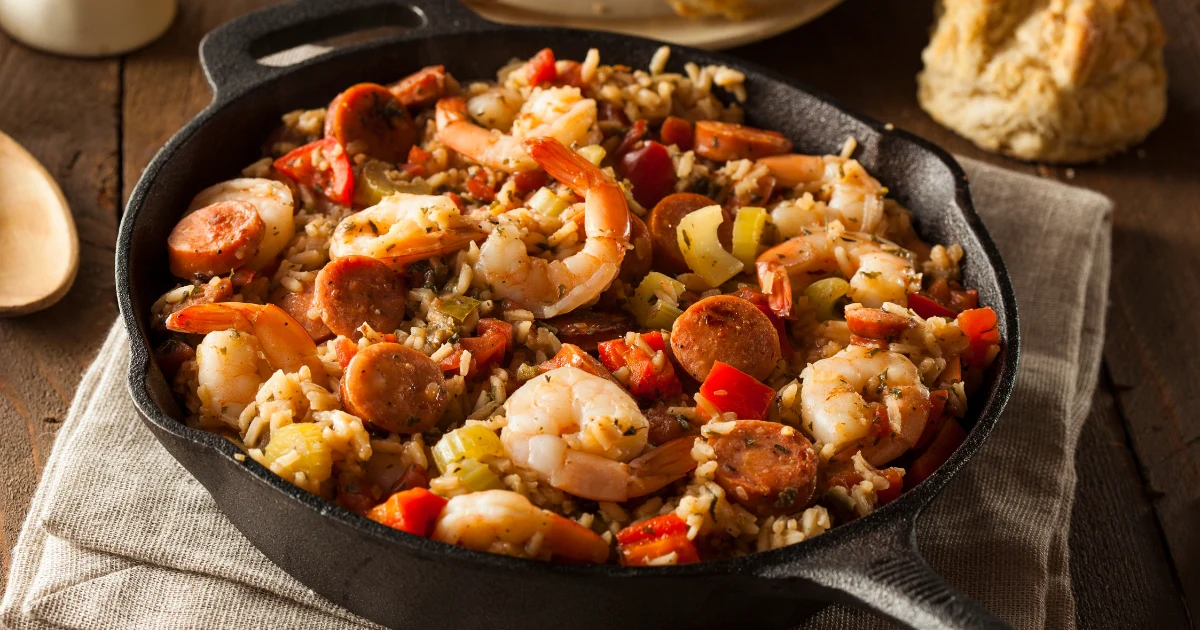
Jambalaya with shrimp and ham brings the bold, comforting flavors of Louisiana straight to your kitchen in one hearty pot. This Creole-style dish mixes tender shrimp, smoky ham, fluffy rice, and the holy trinity of vegetables for a meal that feels both rustic and celebratory. Whether you’re new to Southern cooking or craving a taste of the bayou, this recipe delivers every time.
What Is Jambalaya with Shrimp and Ham?
At its heart, jambalaya with shrimp and ham is a one-pot rice dish loaded with protein, veggies, and spices that simmer together until the flavors meld perfectly. The shrimp adds sweet, briny pops while the ham brings deep, smoky richness that cuts through the tomatoes. It’s hearty enough for a crowd yet simple enough for a weeknight dinner.
The Fascinating History of Jambalaya
Jambalaya traces its roots to Louisiana’s melting pot of cultures, blending West African rice techniques, Spanish paella influences, and French cooking methods. Enslaved cooks adapted these traditions using local ingredients like ham and shrimp to create something uniquely American. Today it remains a staple at festivals and family tables across the South.
Creole Jambalaya vs Cajun: Where Does Shrimp and Ham Fit In?
Creole jambalaya, like this shrimp and ham version, gets its signature red color from tomatoes and feels right at home in New Orleans kitchens. Cajun style skips the tomatoes for a brown hue built from caramelized meats in rural bayou country. Shrimp and ham shine brightest in the Creole camp because the acidity balances the seafood sweetness.
Key Ingredients That Make Shrimp and Ham Jambalaya Shine
You only need a handful of pantry staples and fresh seafood to nail this dish. Focus on quality ham and shrimp, plus the holy trinity, for authentic taste without fuss. Here’s what you’ll need for six generous servings.
- 2 tablespoons vegetable or olive oil
- 1 large onion, diced
- 1 green bell pepper, diced
- 2 celery stalks, diced
- 3 garlic cloves, minced
- ½ pound smoked ham, diced
- 1 pound medium shrimp, peeled and deveined
- 1 (14.5-ounce) can diced tomatoes with juice
- 2 cups chicken broth
- 1 cup long-grain white rice
- 2 bay leaves
- 1 teaspoon paprika
- ½ teaspoon dried thyme
- ¼ teaspoon cayenne pepper (adjust for heat)
- Salt and black pepper to taste
- Chopped green onions for garnish
The Holy Trinity and Why It Matters
Onion, bell pepper, and celery form the flavor backbone that every Louisiana cook swears by. Sautéing them slowly builds a sweet, aromatic base that carries through the entire dish. Skip this step and you’ll miss the soul of real jambalaya.
Selecting Quality Shrimp and Ham for Your Dish
Fresh or frozen shrimp works fine as long as it’s deveined and peeled. Look for medium size so it stays juicy without overcooking. For ham, choose a good smoked variety—nothing too sweet or overly salty. The right cuts turn simple rice into something unforgettable.
Step-by-Step: How to Make Shrimp and Ham Jambalaya at Home
This recipe comes together in under an hour, making it perfect for busy evenings or weekend gatherings. Follow these steps and you’ll have restaurant-quality results every single time.
Prepping Like a Louisiana Local
Start by chopping all your vegetables and dicing the ham so everything is ready before the heat hits the pot. This mise en place habit saves time and prevents burning. I learned this the hard way after one too many scorched garlic moments.
Building That Flavorful Base
Heat oil in a large Dutch oven over medium heat. Add the holy trinity and cook until soft and golden, about 8 minutes. Stir in the ham and garlic next. The fond that builds on the bottom is pure gold for depth of flavor.
Incorporating the Ham and Shrimp
Pour in the tomatoes, broth, and seasonings. Bring everything to a boil, then stir in the rice. Reduce heat, cover, and let it simmer gently. Add the shrimp during the last 5 minutes so they stay plump and tender.
Nailing the Rice Every Time
Use long-grain rice and resist the urge to lift the lid while it cooks. The steam does the work. After 20-25 minutes the rice should be fluffy and the liquid absorbed. A quick rest off the heat finishes it perfectly.
Common Pitfalls and How to Dodge Them
Even experienced cooks hit snags with jambalaya. The biggest rookie mistake is peeking too often or using the wrong rice. Mushy or crunchy results kill the texture. Stick to the timing and you’ll avoid disaster.
My Personal Jambalaya Story
Years ago I spent a summer in New Orleans and watched a local auntie make this exact dish for a backyard crawfish boil. Her secret? Never rush the shrimp. That memory still makes me smile every time I serve it now.
Pro Tips from Years of Trial and Error
Always taste and adjust seasoning before adding the shrimp. A splash of hot sauce at the table lets everyone control the heat. And if you’re short on time, pre-cooked rice works in a pinch without sacrificing much flavor.
Variations to Try Next Time
Swap in andouille sausage for extra spice or add chicken for a heartier version. Some folks throw in okra for thickness. These tweaks keep the dish exciting without straying from tradition.
What to Serve Alongside Your Jambalaya
Cornbread, crusty French bread, or a simple green salad balance the richness perfectly. Hush puppies or collard greens make it a true Southern feast. A cold beer or sweet tea rounds everything out.
Nutritional Info: Breaking Down a Serving
One cup of shrimp and ham jambalaya clocks in around 420 calories with solid protein from the seafood and ham. It’s surprisingly balanced when you control the salt.
| Nutrient | Amount per Serving (1 cup) |
|---|---|
| Calories | 422 |
| Protein | 30g |
| Total Fat | 11g |
| Carbohydrates | 49g |
| Fiber | 2g |
| Sodium | 1,591mg |
Pros and Cons of Making Jambalaya with Shrimp and Ham
Pros
- One-pot wonder means easy cleanup
- Customizable heat level for the whole family
- Packed with lean protein and veggies
- Feeds a crowd affordably
Cons
- Shrimp can overcook if timing is off
- Requires fresh ingredients for best results
- Rice texture demands attention
Jambalaya Compared to Other Louisiana Favorites
Jambalaya stands out from gumbo because it focuses on rice rather than a thick roux-based soup. Etouffee is more saucy and usually centers on one protein like crawfish. This shrimp and ham version gives you bold flavor without the long simmer of gumbo.
| Dish | Key Difference | Best For |
|---|---|---|
| Jambalaya | Rice cooked in the pot | One-pot meals |
| Gumbo | Thick roux and separate rice | Comfort on cold nights |
| Etouffee | Creamy sauce over rice | Seafood spotlight |
People Also Ask About Jambalaya with Shrimp and Ham
What is the difference between jambalaya and gumbo?
Jambalaya cooks rice right in the pot with everything else, while gumbo features a dark roux and serves rice on the side. Both deliver Louisiana soul but in completely different textures.
Is jambalaya with shrimp and ham spicy?
It can be as mild or fiery as you like. The cayenne here adds gentle warmth, but you control the heat with your seasoning choices.
Can you make jambalaya ahead of time?
Absolutely. It tastes even better the next day after flavors mingle in the fridge. Just reheat gently with a splash of broth.
What kind of rice works best?
Long-grain white rice keeps the grains separate and fluffy. Avoid short-grain varieties that turn sticky.
How do you store leftover shrimp and ham jambalaya?
Cool completely, then refrigerate in an airtight container for up to four days. Freeze portions for up to three months.
FAQ: Everything You Need to Know
Can I use cooked shrimp instead of raw?
Yes, but add it at the very end just to warm through so it doesn’t get rubbery.
What if I don’t have a Dutch oven?
A heavy-bottomed pot with a tight lid works fine. The key is even heat distribution.
Is this recipe gluten-free?
It is naturally gluten-free as long as your broth and seasonings are safe. Always double-check labels.
How do I make it less salty?
Use low-sodium broth and taste before adding extra salt. The ham already brings plenty of flavor.
What’s the best way to devein shrimp?
Run a small knife along the back and pull out the dark vein. Rinse under cold water for clean results.
This shrimp and ham jambalaya recipe captures everything I love about Louisiana cooking—simple ingredients, big flavor, and zero pretension. Give it a try this weekend and watch your kitchen fill with that unmistakable bayou aroma. Once you master the basics, you’ll find yourself tweaking it to match whatever you have on hand. That’s the beauty of real home cooking. Dig in and enjoy every spicy, smoky bite.